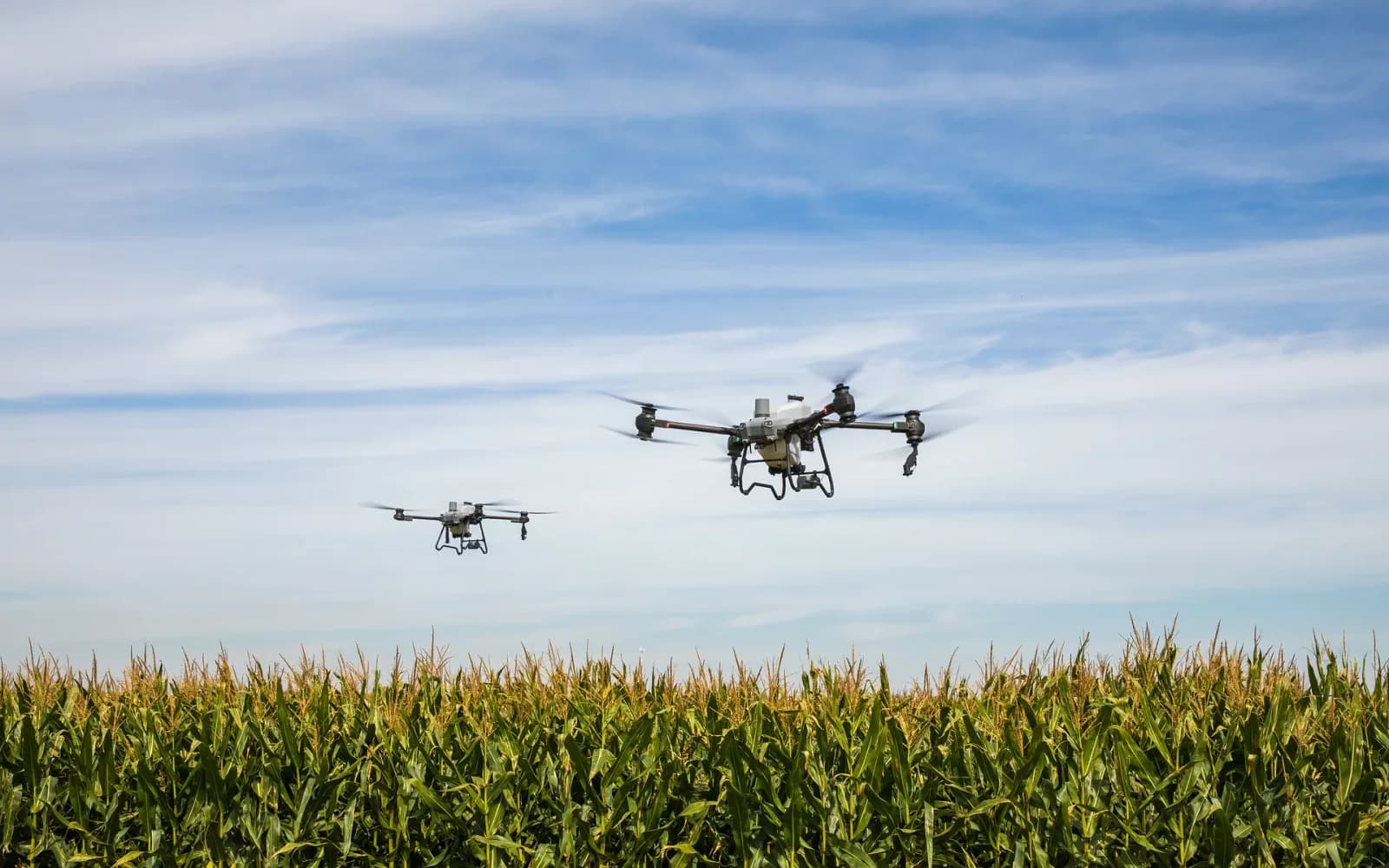
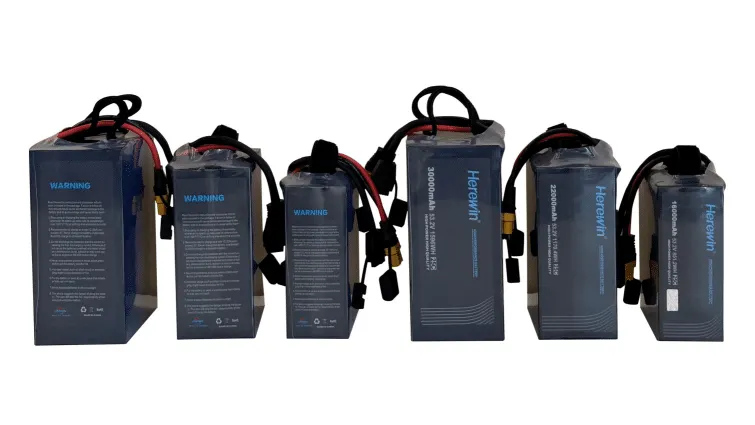
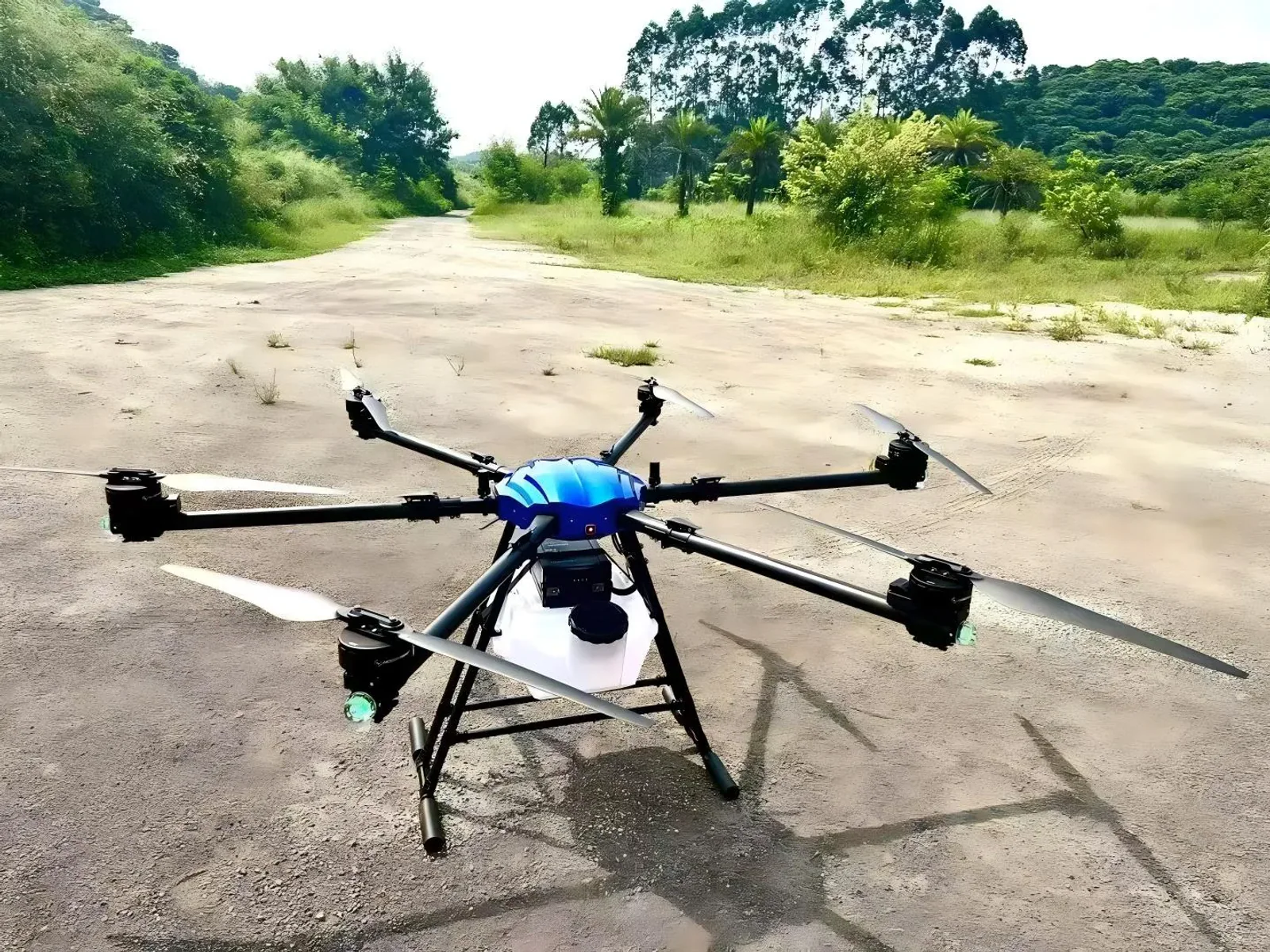
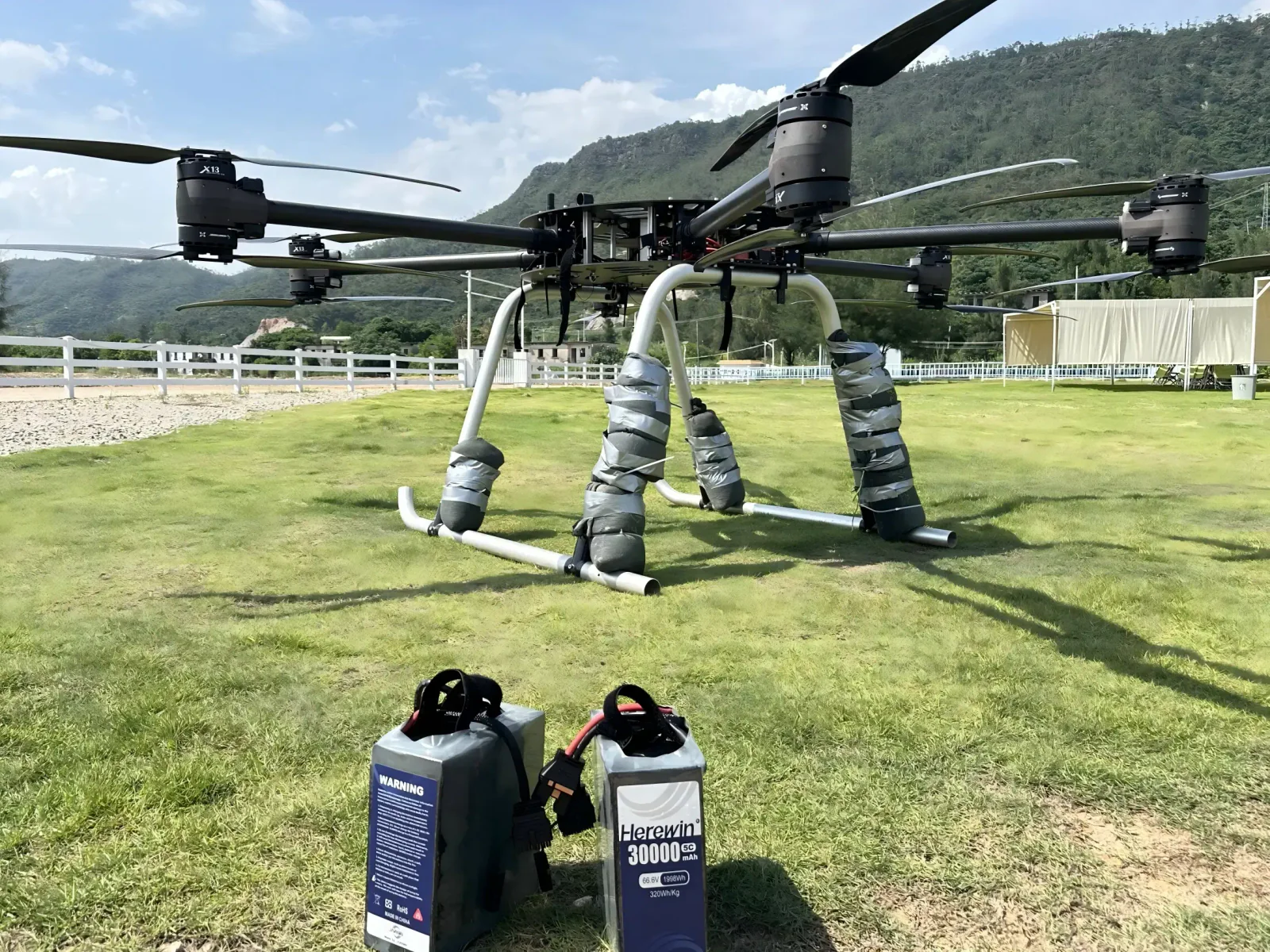
Custom engineering and B2B supply for agricultural and industrial drone platforms, supported by Herewin battery manufacturing and Xingtu Brazil market execution. The program begins with the real aircraft, battery bay, connector, communication, payload, working cycle and field-charging routine—not with a generic claim that one pack fits every drone.
One engineering path, with responsibilities clearly divided.
Xingtu Brazil and Herewin Power work as a joint commercial and engineering program for Brazilian buyers. Xingtu Brazil owns the local buyer conversation and commercial path. Herewin owns the battery-engineering and manufacturing work. This division keeps technical questions close to the factory while giving Brazilian buyers a Portuguese-language commercial route, import planning and local coordination.
Xingtu Brazil
Xingtu Brazil turns the buyer's operating problem into a structured brief, keeps the commercial conversation in Brazil, and coordinates each confirmed step from enquiry through repeat supply.
Brazilian market communication and Portuguese-language support
Buyer qualification and requirement collection
Commercial proposal and order-structure coordination
Import, shipment and delivery planning for Brazil
Local business communication and after-sales coordination
Repeat-order and continuity planning
Herewin Power
Herewin evaluates the electrical, mechanical and communication requirement and prepares the corresponding engineering, sample, manufacturing and documentation work.
Cell selection, battery engineering and PACK development
BMS, protection logic and project communication
Sample development, testing and manufacturing
Battery chargers and matching review
Quality-control planning for the selected product
Model-specific technical and shipping-document preparation
Herewin is identified as the Battery Engineering and Manufacturing Partner. The relationship is not described as exclusive, and the primary commercial enquiry remains with Xingtu Brazil.
Why custom development matters
A battery is part of the drone power system, not an isolated box.
Two aircraft may perform similar agricultural work and still require different packs. The battery must fit the platform electrically, mechanically and operationally. A label match alone does not confirm that the connector, communication, discharge behavior, housing or charging workflow is appropriate.
Power system
Voltage architecture, motor and controller demand, discharge profile and protection strategy must be reviewed together. An apparently similar pack may behave differently under takeoff, lifting or spraying loads.
Payload and mission
Spraying, spreading, mapping, inspection and lifting create different weight, power and endurance priorities. The project starts with the actual mission rather than a universal capacity recommendation.
Battery bay and dimensions
Available length, width, height, retention points, handle clearance and insertion direction determine whether a pack can be used safely and serviced efficiently.
Connector and interface
Power connector, signal connector, cable direction, mechanical interface and locking method need photos or drawings. A visual resemblance is not enough for compatibility.
Communication
The aircraft, battery and charger may exchange state or protection information. Protocol, message behavior and connector pinout require project-specific confirmation.
Flight and work cycle
Takeoff frequency, payload changes, reserve practice, battery rotation, cooldown and operator behavior determine the practical energy and charging plan.
Agricultural field routine
Dust, moisture, transport, repeated handling, chemical exposure and long field days affect housing, labeling, connectors, charging discipline and spare-pack planning.
Charging environment
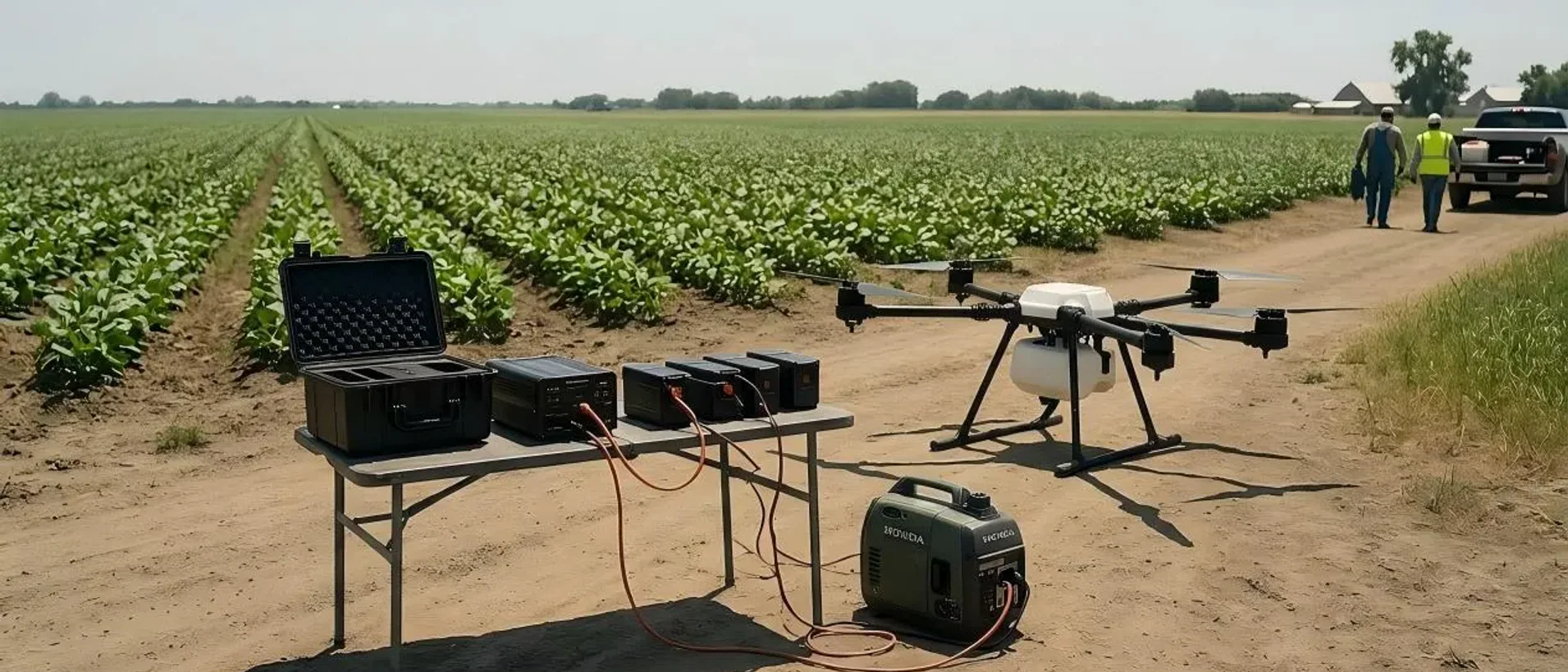
Grid power, generator use, vehicle-based power, available phases, ventilation and field layout influence charger selection and the safe rotation of packs.
The review may lead to a customized pack, an adapted platform, or a request for more evidence. Fit is confirmed only after engineering review and written approval.
Application priorities
Agricultural drones first, with engineering paths for other industrial UAVs.
Agricultural spraying, seeding and spreading remain the program's primary focus because their operating routines place unusually high demands on battery rotation, charging and continuity. The same engineering method can be applied to other professional UAVs when the platform and mission are clearly defined.
Application names describe engineering directions. They are not claims that one public product is already validated for every aircraft in that category.
Agricultural spraying
Review the aircraft, tank or payload profile, repeated sortie pattern, field temperature, battery rotation, connector handling and charging resources.
Seeding and spreading
Evaluate load changes, frequent takeoff, work-cycle length, field logistics and the number of packs needed to keep the operating team moving.
Route, takeoff frequency, payload, reserve policy, charging base and repeatable turnaround determine the appropriate battery and charger direction.
Surveying and mapping
Mission duration, equipment load, operating altitude, field temperature and reserve strategy guide the energy-density and pack-integration review.
Inspection
Power demand, sensor package, access environment, mission repeatability and downtime tolerance shape the technical proposal.
Firefighting
Emergency use requires a clearly documented mission, load, thermal environment, operating protocol and validation plan before any configuration is proposed.
VTOL platforms
Transition loads, cruise profile, battery compartment, communication and aircraft-level validation must be handled as a complete integration project.
Long-endurance applications
Energy density, pack weight, discharge needs, cooling, reserve policy and aircraft balance are reviewed together without promising a fixed endurance result.
Customization matrix
The dimensions that move from buyer evidence to an engineered proposal.
The matrix is a project brief, not a public specification sheet. Exact values are requested from the buyer, checked against the aircraft and then confirmed in a model-specific proposal.
The dimensions that move from buyer evidence to an engineered proposal.
Review dimension
Buyer evidence
Engineering review
Confirmed output
Drone platform
Brand, model, photos or drawings
Power system, bay and operating context
Named project platform
Voltage
Current label and measured information
Aircraft architecture and charger
Project voltage after review
Capacity
Current capacity and working goal
Weight, mission and reserve logic
Proposed capacity direction
Discharge rate
Load and flight-cycle evidence
Peak and continuous demand
Pack and cell direction
Dimensions
Length, width, height and clearances
Bay fit and safe removal
Confirmed mechanical envelope
Weight
Current pack and aircraft limits
Balance, payload and retention
Target subject to validation
Power connector
Close photos, model and cable direction
Current, pinout and handling
Matched or adapted connector
Mechanical interface
Rails, locks, handle and bay photos
Retention and repeated handling
Interface proposal
Housing
Field environment and handling routine
Protection, cooling and serviceability
Housing direction
BMS
Existing behavior and fault information
Monitoring and protection needs
Project protection plan
Communication
Protocol evidence, pins and messages
CAN, UART or project-specific matching
Validated communication scope
Charger
Current charger and available field power
Electrical match and rotation plan
Charger concept or matched unit
Cooling and rotation
Sorties, packs, breaks and team size
Heat and turnaround workflow
Operating rotation recommendation
Label
Required language and product identity
Technical, transport and brand needs
Approved label artwork scope
Packaging
Route, quantity and handling needs
Protection and shipping preparation
Packing proposal
OEM branding
Brand assets and channel plan
Volume, artwork and approvals
Commercially confirmed OEM scope
No matrix row is a promise that every option can be combined. Electrical, mechanical, communication, transport and commercial constraints are reviewed as one project.
Battery technology directions
Capability directions selected by the mission—not a list of fixed best sellers.
Herewin's engineering scope allows the team to compare pack architectures and charger concepts. The correct direction depends on aircraft demand, weight, available space, environment, validation method and commercial order plan.
High-rate batteries
For missions where peak and sustained power demand must be evaluated against temperature, pack structure and aircraft behavior.
Smart UAV batteries
For projects that need battery-state information, protection behavior or communication matched to the aircraft and charger.
High-voltage packs
For platforms designed around higher-voltage architectures, subject to aircraft, connector, insulation and charger review.
High-energy-density packs
For weight-sensitive or endurance-focused missions where energy, structure, discharge and validation must be balanced.
Semi-solid options
An engineering direction that may be evaluated when platform, mission, availability and project evidence support it.
Heavy-lift solutions
Pack, multi-pack, current, retention, cooling and fault-management concepts for clearly defined heavy-lift platforms.
Long-endurance solutions
Energy and weight optimization for a defined aircraft and reserve policy, without a universal flight-time promise.
Customized PACK development
Electrical, mechanical, BMS, connector, housing, label and packaging work organized around the buyer's platform.
UAV chargers
Single- or multi-channel concepts matched to the confirmed battery, field power and operating rotation.
Performance values, chemistry, architecture and availability are confirmed only in the selected model's technical proposal.
Smart BMS and communication
Protection and information must match the real aircraft and workflow.
A smart BMS can support monitoring and protection decisions, but its usefulness depends on the cells, pack, sensors, aircraft, charger and communication requirement. The project therefore begins with the current system: what the operator sees, what the aircraft expects, which faults occur and how the battery is charged and rotated.
Voltage, current and temperature monitoring can be considered alongside protection logic and state information. The proposal defines what is measured or communicated for that project. Public capability language is not a promise that a particular battery will exchange data correctly with an unreviewed aircraft.
Protocol names indicate review capability only. Compatibility is not confirmed until the interface and platform behavior have been validated.
Voltage monitoring
Review pack and cell-level monitoring needs against the selected architecture and protection plan.
Current monitoring
Relate operating current, peaks and fault behavior to the real mission and aircraft demand.
Temperature monitoring
Consider sensor placement, charging, discharge, cooldown and the field environment.
Protection logic
Define relevant limits and responses as part of the engineered battery and aircraft validation plan.
State information
Confirm which state or alarm information is needed by the operator, charger or aircraft.
Communication matching
CAN, UART or project-specific communication remains subject to pinout, message and platform engineering review.
customization anatomy diagram
1Cells and pack
2Enclosure and fit
3Connector and cabling
4BMS, label and packaging
The sequence structures the commercial review; final scope depends on the approved configuration.
BMS and communication diagram
1Cells
2BMS
3Communication
4Charger and aircraft
The sequence structures the commercial review; final scope depends on the approved configuration.
Chargers and field charging
Battery count and charger choice are an operating-system decision.
A field team does not operate a battery in isolation. It rotates packs through flight, return, inspection, cooldown, charging and readiness. Aircraft count, operators, sortie length, payload changes and acceptable downtime all influence how many packs and chargers the team may need.
The power source also matters. Workshop power, a rural grid, generator, vehicle supply or field base creates different input, ventilation, cable and handling constraints.
No charging time is published here. Charging performance and safe workflow depend on the confirmed battery, charger, input power and operating conditions.
Single-channel concept
May suit evaluation or lower-throughput routines when the electrical input and operating rhythm are confirmed.
Multi-channel concept
May support a larger rotation, but channel count alone does not determine real turnaround.
Charging rotation
Map flight, return, inspection, cooldown and charging so packs are not treated as permanently ready.
Field power conditions
Record voltage, phase, generator or grid conditions, grounding, ventilation and cable layout.
Charger matching
Confirm battery architecture, connector, communication, input power and intended operating routine.
Cooling and handling
Define a protected area and operator routine for hot, damaged, wet or suspect packs.
Battery count per team
Estimate from aircraft count, mission cycle, charger resources and reserve policy after collecting evidence.
charging and rotation workflow
1Inspection
2Charge and cool
3Rotation
4Reserve and record
The sequence structures the commercial review; final scope depends on the approved configuration.
Buyer requirement checklist
Better evidence creates a faster and safer engineering review.
The first enquiry does not need a finished engineering document. It should, however, identify the real aircraft and provide enough visual and operating evidence to prevent assumptions. Use the downloadable checklist to collect information from operations, maintenance and purchasing before the technical call.
Current voltage and capacity shown on the label or specification
Battery length, width, height and measured weight
Close photos of the power and signal connectors
Photos of the battery bay, rails, locks and cable direction
Current charger model, label and available electrical input
Agricultural or industrial application and payload
Typical working cycle, sorties and reserve practice
Field temperature, dust, moisture and chemical-exposure context
Number of aircraft, operators, current packs and chargers
Expected sample and commercial-order quantity
OEM label, packaging, manual or branding requirement
Destination city and state in Brazil
Known failure, downtime or compatibility problem to solve
Files selected in the form are not stored by this website. After submission, the buyer attaches the label, connector and battery-bay evidence directly in the WhatsApp conversation.
Engineering and sample process
A ten-step path from evidence to repeat supply.
The path is deliberately gated. Each step produces information needed by the next step, and the project does not move into a commercial commitment until the relevant technical and commercial points are confirmed in writing.
01
Requirement collection
Xingtu Brazil organizes the aircraft, battery, connector, charger, mission, quantity, destination and buyer-role information.
02
Engineering review
Herewin reviews electrical, mechanical, BMS, communication, housing and charger feasibility and identifies missing evidence.
03
Technical proposal
The parties align the proposed battery direction, interfaces, validation scope, project assumptions and unresolved questions.
04
Sample or prototype
A sample path is confirmed when needed, including configuration, labeling, handling and the buyer's validation responsibilities.
05
Platform validation
The buyer validates the battery on the intended aircraft and operating routine according to the agreed plan and records results.
01
Commercial order confirmation
Quantity, price, configuration, packing, responsibilities and commercial terms are confirmed outside the website.
02
Documentation preparation
Model-specific technical and transport documents are assembled for the confirmed product and shipping route.
03
Production
Manufacturing and the selected quality-control plan proceed against the written order and approved configuration.
04
Export and Brazil delivery
Shipment, import coordination, receiving and local delivery are organized for the confirmed route and destination.
05
Repeat supply
Operating feedback, replacement demand and reorder planning are reviewed before a repeat production or stock decision.
No fixed sample, production, import or delivery timeline is promised. Timing depends on engineering scope, validation, order confirmation, documentation and route.
engineering-to-repeat-supply diagram
1Technical evidence
2Sample
3Controlled trial
4Repeat supply
The sequence structures the commercial review; final scope depends on the approved configuration.
Manufacturing and quality control
The validation plan follows the selected battery and project risk.
Herewin provides the battery engineering and manufacturing layer. Potential manufacturing and quality evidence can cover material receiving, cell screening, PACK assembly, BMS integration, communication checks, charge and discharge work, mechanical tests, final inspection and packing. The exact plan is determined for the selected product.
The technical proposal and order documents identify the checks, samples, records and responsibilities that apply to the selected project.
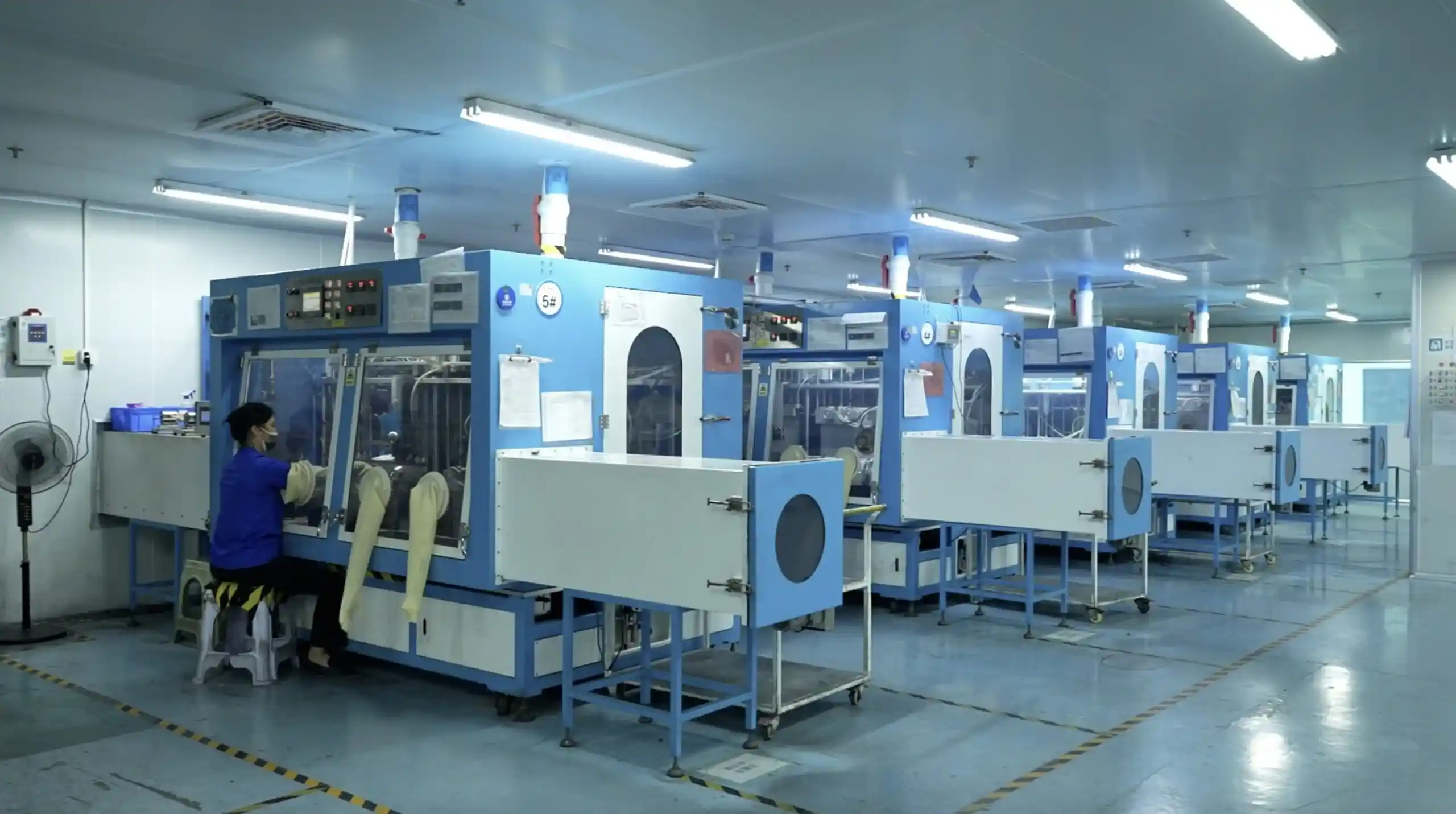
Herewin battery engineering and production environment.
Incoming cell and material inspection
Cell visual inspection and grouping review
Voltage and internal-resistance testing
Tab preparation, welding and connection checks
Insulation and pack assembly
BMS integration and protection review
Communication matching where required
Charge and discharge testing
Vibration, drop or mechanical testing when specified
Thermal or environmental testing when specified
Final visual and functional inspection
Label, packaging and handling review
Testing and validation plans depend on the selected product and project requirements.
Technical and shipping documentation
Documents follow the confirmed model and route.
Model-specific technical and transport documentation is prepared after configuration confirmation and before shipment. This sequence lets the documents identify the battery that is actually ordered rather than a generic family that may not match the pack.
The package depends on configuration, transport mode, carrier, import plan and destination. Xingtu coordinates the Brazil-side plan; Herewin prepares model-specific battery and shipping information.
Battery specification
Electrical, mechanical and interface information for the confirmed product.
MSDS
Prepared or provided where applicable to the confirmed battery and route.
UN38.3
Reviewed for applicability to the selected model and shipment; not presented as universal coverage.
Packing documentation
Information about the confirmed packing method and handling scope.
Transport documentation
Model and route-related information required by the selected transport plan.
Customs-related product information
Commercial and technical details prepared for import coordination when applicable.
The page does not guarantee that every listed certificate or document applies to every battery. Applicability is confirmed in writing before shipment.
OEM and private label
Brand presentation comes after product and compliance fit.
An OEM program can include more than placing a logo on an existing pack. The buyer should define the channel, brand responsibility, languages, product identity, manual needs, packaging route and expected continuity. Engineering and transport information must remain accurate even when the commercial presentation is customized.
Artwork begins after the battery direction is clear. Sample approval, color control, label content and responsibility for brand files remain part of the commercial review.
Labels
Brand, technical, handling and identification content subject to applicable review.
Packaging
Carton, protection, inserts and presentation aligned to transport and channel needs.
Branding
Buyer-provided marks and artwork used within the approved commercial scope.
Manuals
Project-specific user or handling information when included in the confirmed program.
Connector options
Evaluated electrically and mechanically rather than treated as a cosmetic choice.
Housing options
Reviewed against fit, protection, cooling, handling and production feasibility.
Project configuration
Battery, BMS, communication, charger, label and packing organized as one controlled scope.
All OEM and private-label options remain subject to technical, documentation, authorization and commercial review.
Brazil commercial path
Local coordination before, during and after the manufacturing work.
Xingtu Brazil does not stop at forwarding a supplier quote. The local team helps the buyer prepare evidence, defines who will validate the sample, organizes the commercial proposal, plans import and delivery, and keeps the after-sales and repeat-order conversation connected to the original configuration.
Customized projects are normally produced in China for confirmed orders. Standard Brazil stock is not implied; future stock requires compatibility evidence, repeat demand and a justified commercial case.
01
Portuguese communication
Clarify the operating problem and keep technical questions understandable to the Brazilian buyer.
02
Requirement preparation
Convert photos, labels, dimensions and operating information into a structured engineering brief.
03
Commercial proposal
Present the confirmed scope, quantity, responsibilities and offline commercial conditions.
04
Shipment planning
Align battery configuration, packing, documents, route and handoff points before dispatch.
05
Brazil import coordination
Organize the information needed for the selected lawful import plan and responsible parties.
06
Local delivery
Coordinate receiving and delivery for the confirmed destination and commercial arrangement.
07
After-sales communication
Collect traceable evidence of problems and coordinate technical review with the manufacturing partner.
08
Repeat ordering
Reconnect the next order to the approved configuration, operating feedback and continuity plan.
An enquiry is not a purchase, quotation or stock reservation. Product, specification, quantity, price, route, availability and final terms require written confirmation.
Who the program serves
Different buyers enter the same engineering path with different decisions.
A distributor needs continuity and a commercial range; a repair center needs exact fit and traceability; an operator needs uptime and charging discipline. The page keeps those requirements distinct while using one evidence-based engineering process.
Importers
Need manufacturer evidence, configuration, documentation, import responsibilities, packing and a repeat-supply plan.
Distributors
Need platform coverage, channel qualification, stock logic, technical materials and after-sales responsibilities.
Drone dealers
Need a sellable battery and charger direction, sample validation, compatibility boundaries and support material.
Service providers
Need pack rotation, charging workflow, downtime planning and a reliable route to replacement supply.
Agricultural operators
Need the battery plan tied to aircraft count, payload, field routine, charging resources and seasonality.
Training centers
Need repeatable charging and handling routines, fleet visibility and replacement planning for frequent use.
Repair centers
Need model identification, connector and communication evidence, fault records and a controlled replacement path.
UAV manufacturers
Need early integration of electrical, mechanical, BMS, communication, charger and validation requirements.
OEM buyers
Need a controlled product, artwork, packaging, documentation and repeat-order program under their brand.
Authorized Herewin evidence
Manufacturing evidence presented as partner evidence—not Xingtu-owned infrastructure.
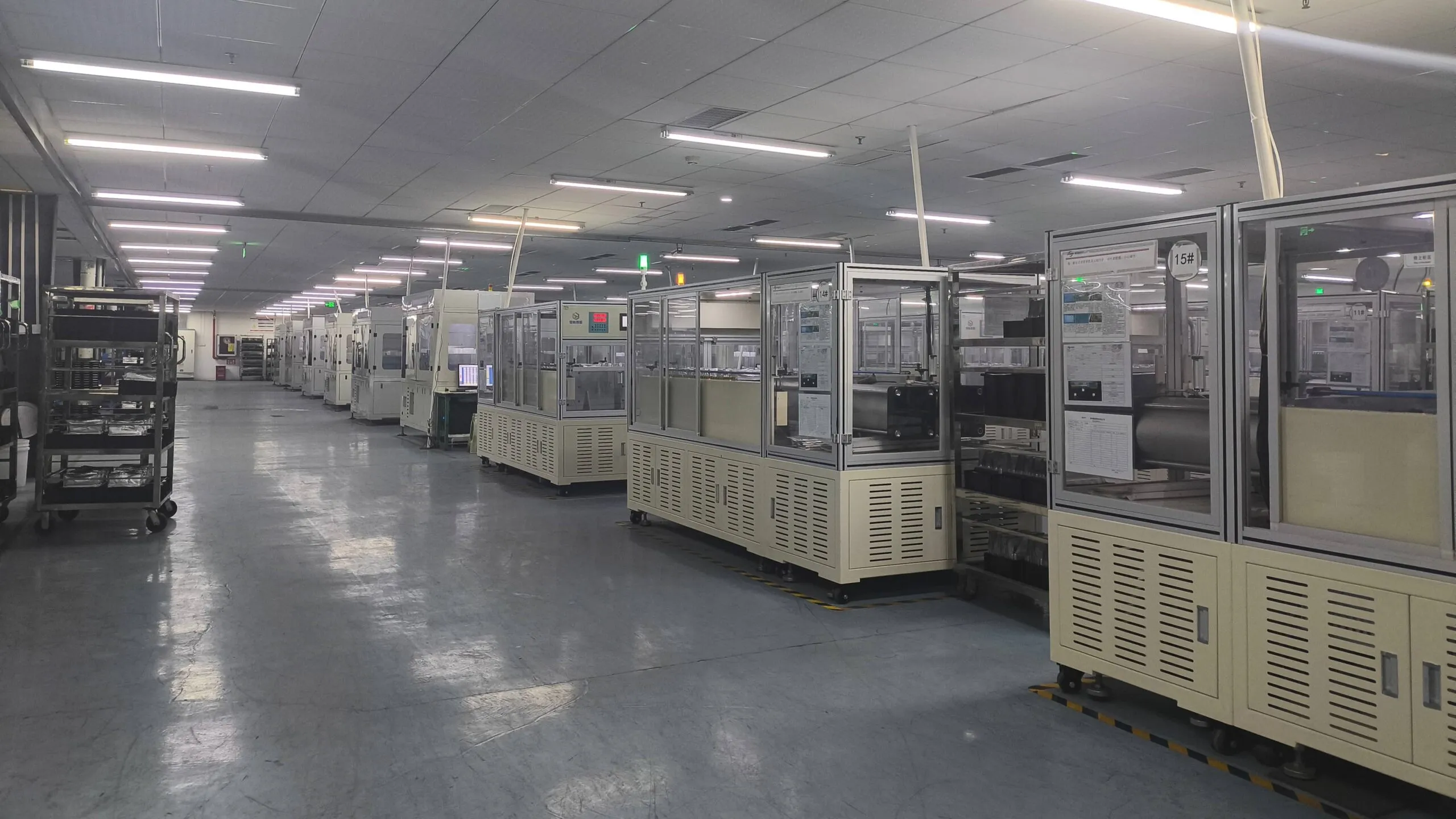
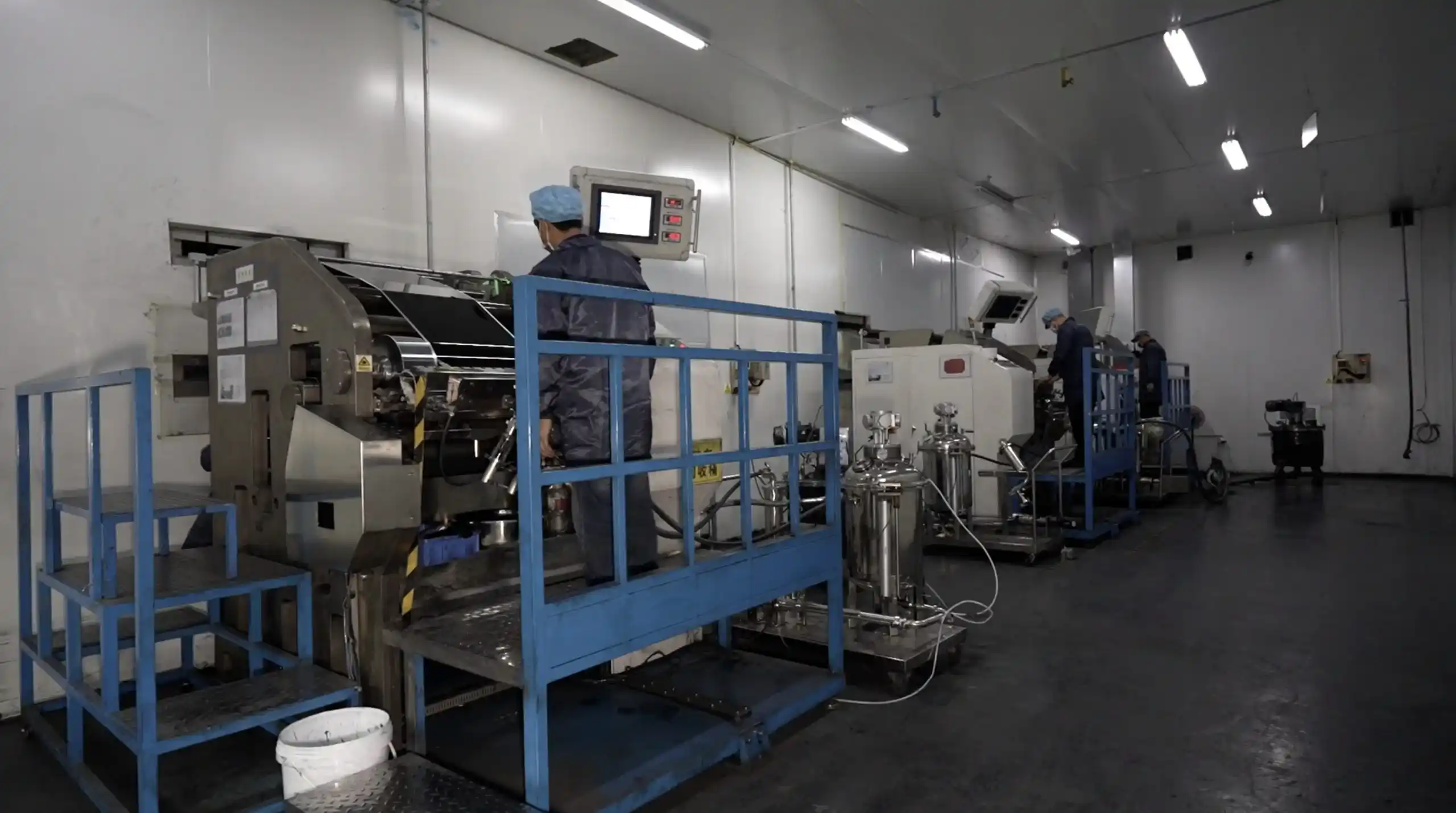
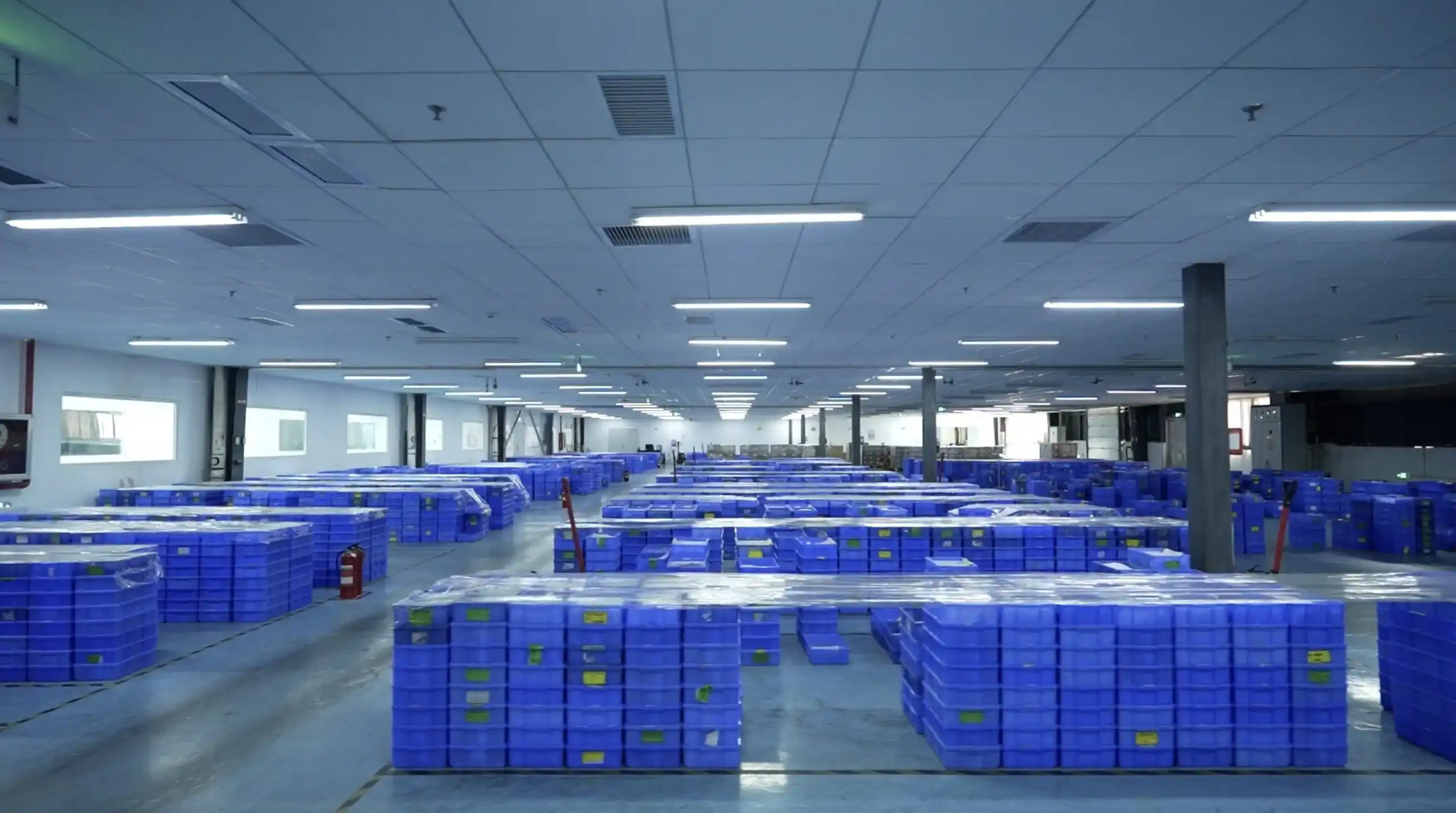
The following images are authorized Herewin assets from its official website. They show manufacturing, process and handling environments within Herewin's battery operation. The source label stays visible so the media cannot be mistaken for a Xingtu Brazil warehouse, laboratory or production line.
Herewin Power develops and manufactures battery cells, PACKs and chargers for UAV and other battery applications. For the Brazil drone-battery program, Herewin provides the engineering, sample, testing, manufacturing and model-specific documentation layer described on this page.
Manufacturer evidence
Cell-production process
Authorized Herewin manufacturing-process image. The exact production route used depends on the selected cell and pack.
Manufacturer evidence
Controlled production and testing floor
Authorized Herewin image of controlled battery production and testing equipment.
Manufacturer evidence
Laboratory and process equipment
Authorized Herewin process image used as partner evidence, not as a promise of a test plan for every order.
Manufacturer evidence
Final handling context
Authorized Herewin final handling and warehouse image. Packing and documentation remain model and route specific.
Herewin cell-production equipment.
Herewin battery laboratory and testing.
Herewin final inspection and packing.
Battery Engineering & Manufacturing Partner: Herewin Power
Testing and validation plans depend on the selected product and project requirements. No image on this page proves certification, compatibility or performance for an unconfirmed model.
Scope and confirmation
What is confirmed before a final proposal
Website content organizes an enquiry and review; it is not a final offer and does not complete a purchase.
Model, compatibility, availability, price, quantity, timing, delivery, warranty and responsibilities are confirmed for the selected program.
Import, documentation, certification or road-use requirements depend on the category, use case and destination.
Yes, subject to engineering review. Please provide the exact aircraft, current battery label, voltage, capacity, dimensions, weight, connectors, battery bay, charger and operating cycle. A proposal is made only after the electrical and mechanical requirement is understood.
Dedicated battery enquiry
Send the aircraft, battery and operating evidence in one structured brief.
The form opens with the drone-battery questions already selected. Enter the current information even if some values still need checking, and explain known gaps in the additional requirement. The team will use the brief to identify what must be confirmed before engineering or quotation.
Submitting does not complete a purchase or create a final quotation. The selected file stays on your device; attach it in WhatsApp after the message opens. Final product, specification, compatibility, sample, price, documentation, route and terms require written confirmation.
Structure the next battery program.
Send the aircraft model, current battery, connector, charger, duty cycle and quantity.