Hand tools
Pliers, cutters, wrenches, screwdrivers, hammers, measuring and task-specific manual tools evaluated by use, material, construction and finish.
Additional Category · Tools & Hardware
Xingtu Brazil evaluates selected hand tools, accessories, hardware, workshop items and retail-ready sets for Brazilian B2B channels. This is a requirement-led category rather than a permanent online catalog: function, material, dimensions, quality evidence, packaging, quantity, sample purpose, channel and Brazil readiness are defined before a source or quotation is presented. Availability, specifications and commercial terms remain subject to the selected product and written confirmation.
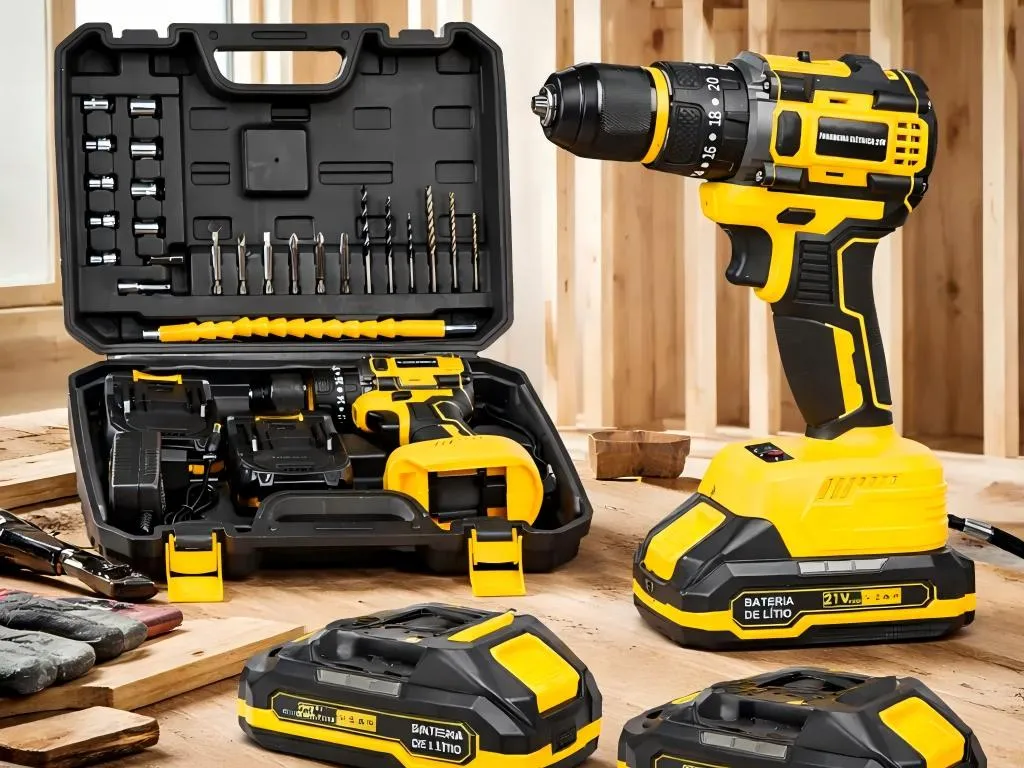
Tools and hardware can describe thousands of unrelated products, quality levels and manufacturing processes. A useful project begins with the task: what the user must cut, fasten, hold, measure, organize, repair or maintain; where the work happens; how frequently the item is used; and which failure, safety or customer complaint the buyer needs to avoid. A photo or competitor reference helps explain direction, but it does not replace a controlled specification.
The commercial context matters at the same time. An importer seeking a distribution line, a retailer building a focused shelf, an e-commerce seller preparing a marketplace listing and a company requesting a branded kit need different packaging, evidence, quantities and support. Xingtu Brazil first checks whether the requirement fits a selected source and a responsible Brazil supply path.
The page presents product-family directions rather than confirmed SKUs. Exact material, tolerance, performance, certification, accessories, color, packaging, MOQ, sample cost, lead time and stock are confirmed only for the selected item. No generic image or family name is evidence that every version is available.
These directions help structure the brief. They do not represent a fixed catalog or universal source commitment.
Pliers, cutters, wrenches, screwdrivers, hammers, measuring and task-specific manual tools evaluated by use, material, construction and finish.
Selected bits, blades, discs, abrasives, drills and consumable accessories reviewed against equipment interface, material, speed and safe-use requirements.
Selected fixing, hanging, joining and workshop hardware qualified by dimensions, material, coating, load question, environment and packing format.
Storage, holders, magnetic or bench accessories, measuring aids and maintenance items assessed around the workspace and repeat-use need.
Defined tool combinations, inserts, cases, labels and instructions prepared for a target customer rather than assembled as an unsupported generic bundle.
Buyer qualification identifies who controls specification, customer promise, import, inventory and after-sales.
Need source evidence, product scope, packaging, opening quantity, import responsibility, channel coverage and repeat supply.
Need a focused assortment, display or sample logic, retail packaging, sales information, opening stock and reorder plan.
Need accurate dimensions, included items, authorized content, protective packaging, fulfillment inputs, returns and inventory logic.
Need application fit, repeatability, consumable or replacement planning and evidence appropriate to the operating risk.
Need a controlled base product, mark and packaging scope, samples, MOQ, change control and rights to all supplied brand assets.
Wholesale and distribution
A wholesale program should define the central customer problem, core items, variants, accessories, carton logic and expected reorder rhythm. Adding many similar products can spread working capital and make specification control difficult. A focused opening range gives the distributor clearer evidence about demand, objections, defects, packaging and support.
Territory or distribution interest does not create exclusivity. Any protected scope requires separate written terms, capable coverage, an opening plan and performance review. Product availability and repeat supply are reconfirmed because source, material, packaging and production conditions can change.
No enquiry guarantees territory, permanent stock, margin, demand or repeat-production capacity.
E-commerce and retail suitability
A marketplace-ready product needs more than a white-background image. The listing should match the exact dimensions, material, included pieces, interfaces, intended use, limitations, warnings and packaging of the supplied item. Images, diagrams and claims require source authority and cannot be borrowed from an unrelated seller or model.
Order preparation considers unit protection, carton condition, labels, barcodes, inserts, dispatch handling and returns. Xingtu Brazil can evaluate Brazil stock, wholesale, qualified mixed orders or selected channel support where relevant, but does not promise unrestricted dropshipping, permanent inventory, account access or platform endorsement.
Product selection
Selection uses function, material, construction, dimensions, interfaces, finish, expected use, acceptance questions and available supplier evidence. For a consumable accessory, equipment match and operating limits may dominate. For a hand tool, geometry, material treatment, grip, assembly and repeated use may matter. For hardware, environment, coating, dimensions and load-related questions may require responsible technical review.
A sample should answer specific questions. The buyer identifies who evaluates it, the method, the acceptance criteria and whether the result controls future production. Visual inspection can confirm appearance and assembly but does not replace laboratory, safety, certification or engineering evidence where those are required.
Xingtu Brazil coordinates the comparison; the responsible buyer and technical parties approve suitability and safe use.
OEM and private label
OEM can include a mark, color, handle, set composition, insert, label, manual, packaging or broader construction change. Each change affects sample scope, MOQ, price, tooling, production timing, evidence and change control. A logo file alone is not a complete OEM brief.
The buyer must own or be authorized to use every brand, instruction and claim supplied. Final artwork, product specification, packaging and approval responsibilities are confirmed in writing before production.
OEM feasibility is product- and source-specific; it is never assumed from the category page.
Each gate prevents a broad category name from becoming an unsupported quotation.
Share task, reference, material, dimensions, quality, quantity, channel, destination and required evidence.
Review relevant manufacturing capability, product information, open questions and sample route.
Use defined acceptance questions and record the approved item, packaging and changes.
Confirm quantity, MOQ, price basis, packaging, payment, production, documents and exclusions.
Identify import, receiving, inventory, distribution, support and reorder responsibilities.
Plan source evidence, order, stock, channel and continuity.
Review importer decisionsPrepare assortment, opening order, materials and support.
Review dealer readinessUse the deeper supplier, sample, inspection and Brazil-readiness process.
Review sourcingNo. The category is requirement-led. Current products, sources, specifications and availability are qualified against the buyer’s brief.
Tools and hardware enquiry
Include function, user, material, dimensions, equipment interface, quantity, packaging, channel, sample questions, destination and required evidence.